
May 16, 2017 22:28
I am talking about the Social Welfare system.
In 2013 in the UK the government spent approximately £126 billion on healthcare
This compares to the £215 billion we spent in 2015/16 on social welfare support (including pensions). If we take pensions out of the equation we spent some £125 billion on means tested and disability benefits.
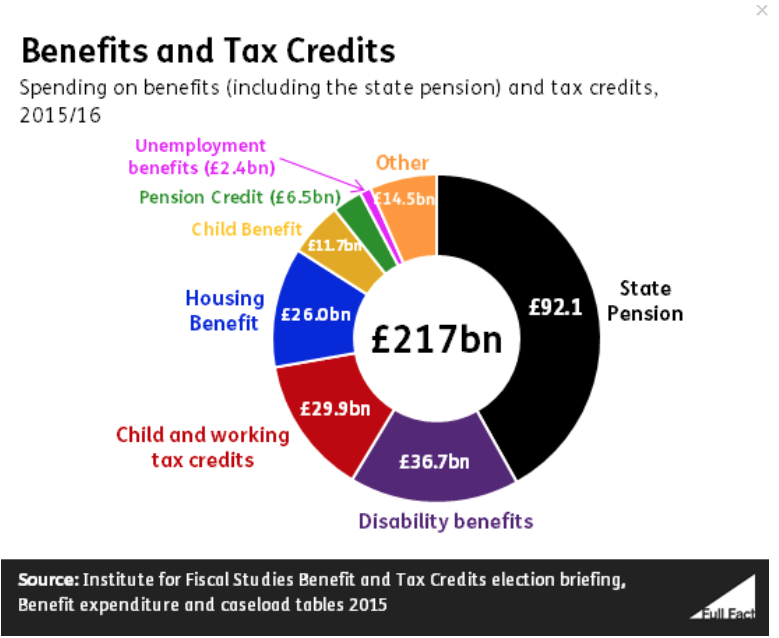
These two systems – health and social welfare – play a crucial role in providing the infrastructure of services that allow vulnerable people to live successfully in the community and help people get through difficult periods in their lives and move on to greater independence.
The Problem
In the Health system we spend a great deal of time, energy and resources trying to work out how to make front line services more accessible to people who need services most. We have powerful population level data on who would benefit from services and who actually uses them – see the Public Health Data I wrote about in my last blog. We know which populations are most likely to have higher prevalence of cancer and coronary heart disease; which populations take up screening services and who ends up in hospital requiring emergency treatment.
With Social Welfare the situation is reversed. Local and national systems put in hardly any effort to understand level of need – for example; the level of problematic debt among key populations. This leads to an impoverished analysis with no evidence based debate about the type of investment that is required to best meet need.
We end up with comparatively small welfare rights and debt support services such as Citizens Advice Bureau struggling to respond to people in crisis – queues and unmet need are the norm.
Tragically, this failure to take a strategic approach to ensure adequate welfare rights provision means that is more likely that vulnerable people who are already under tremendous stress will be unwell.
As well as being a personal tragedy for them this also impacts on the NHS. For example recipients of Cognitive Behavioural Therapy are less likely to benefit from this NHS service if their problematic debt is not addressed first. As well as impacting on the cost effectiveness of this service it also means it increases the likelihood that these same people will end up presenting at urgent care NHS services such as primary care and accident and emergency.
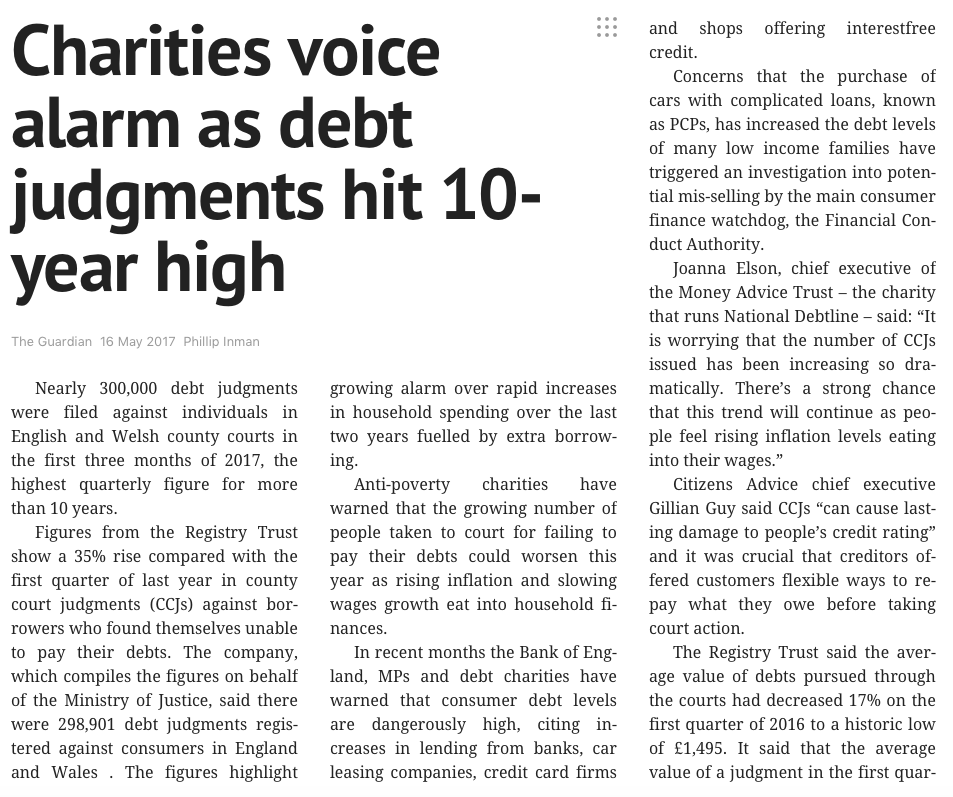
During this election period we are tripping over examples of vulnerability and pressure that stem from peoples personal financial insecurity. From Cathy Mohans challenge to Teresa May about Personal Independence Payments through to data from the Registry Trust showing that the number of people who have been served with County Court debt judgements in England and Wales has risen to to a 10 year high.
What needs to be done.
First, Leaders in local areas need to have a purposeful conversation about this. I was surprised recently when I raised this issue locally at the reluctance to engage with it. I think that we have absorbed a government message that ensuring that people get the benefits they are entitled to and need demonstrates a lack of ambition – that all we aspire to is a ‘welfare economy’. This mindset does a disservice to the millions of people – many working in low paid insecure jobs for whom access to social welfare support is essential.
Second, I think that local public health leaders must work to produce an analysis that describes the financial status of their populations and the reach of current support services. This is difficult – not least because unlike NHS England the Department for Work and Pensions produces very little useful local information to help planning.
Third, I think that key national agencies such as Public Health England and the Local Government Association should support Citizens Advice, Step Change and important think tanks like the Money and Mental Health Policy Unit to produce place based information and guidance to facilitate local action.
What do you think?
Posted by markgamsu
Categories: Health Inequalities, Welfare Rights
Tags: Child Benefit, Citizens Advice, disability benefits, DWP, financial insecurity, Housing Benefit, Money and Mental Health Policy Institute, public health england, SDOH, social determinants of health, social welfare, tax credits, Welfare Rights
Mobile Site | Full Site
Get a free blog at WordPress.com Theme: WordPress Mobile Edition by Alex King.
Don’t disagree with much of this. Also a big question of how local welfare can be best used – it can build capacity or simply keep communities on life support. Too much local resource unnecessarily wasted on helping people navigate a poorly designed system. Thanks.
By livingwellwesterhailes on May 18, 2017 at 10:28
[…] my recent blog I set out how public health has struggled to recognise the important contribution that the […]
By The welfare benefit system is a public health system | Local Democracy and Health on June 25, 2017 at 16:23